Odd Ingredients
Foods Most Kitchens Never Meet
Some of these are everyday food somewhere in the world. Some are dares. All of them are worth understanding before you decide which category they belong in.
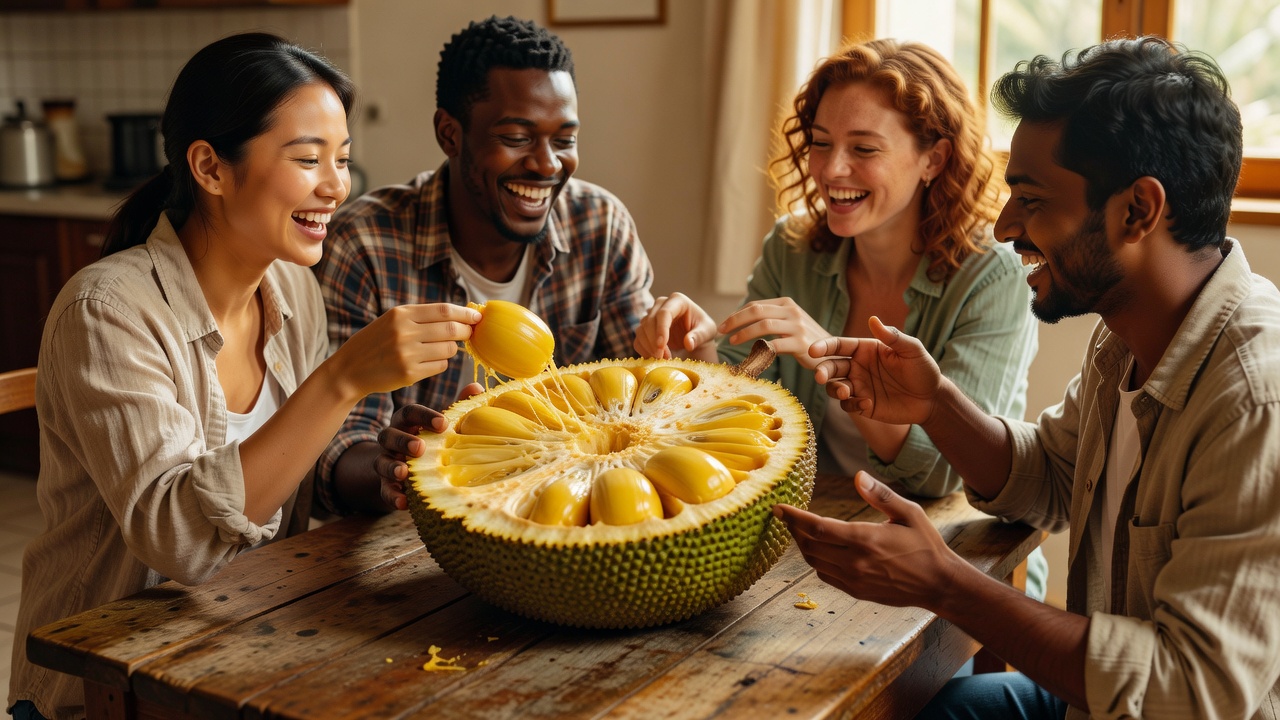
"Odd" depends on where you grew up. Natto is unremarkable in Mito, the Japanese city most associated with it; a jar of Marmite would raise more eyebrows there. This ledger isn't about mocking anyone's breakfast. It's a practical list of ingredients with unusual flavours, textures or smells, grouped loosely by how they behave in the kitchen, with notes on the gentlest way in.
Flavour benders and bright surprises
Miracle fruit (Synsepalum dulcificum)
A small red berry from West Africa. Its protein, miraculin, binds to sweet receptors and makes acids taste sweet for roughly 30 to 60 minutes. Let the pulp coat your tongue for a minute, then try a lemon, a radish or a sour beer. Fun at parties; useless for cooking, since heat destroys the effect.
Finger lime (Citrus australasica)
Native to the rainforests of New South Wales and Queensland. Cut across and squeeze, and tiny vesicles tumble out like caviar, each one bursting with lime-grapefruit juice. Scatter on oysters, avocado toast or ceviche at the last second.
Buddha's hand (Citrus medica var. sarcodactylis)
A citron split into curling fingers, with no pulp and no juice. The pith is mild, not bitter, so you can slice it thin and candy it whole. The zest smells of lemon blossom and violets; grate it into sugar or infuse it in vodka.
Jabuticaba (Plinia cauliflora)
A Brazilian fruit that grows directly on the tree trunk. Thick purple skin hides white, grape-like flesh. Eat within days of picking; it ferments quickly, which is why you'll mostly find it as jam or liqueur outside Brazil.
Aged, fermented and patient
Black garlic
Not fermented, despite the label: whole bulbs are held at around 60–80°C in humid conditions for weeks, and slow Maillard reactions turn the cloves black, sticky and sweet. It tastes of balsamic, tamarind and liquorice with only a whisper of garlic. The easiest odd ingredient on this list.
Natto
Soybeans fermented with Bacillus subtilis var. natto. Stir hard and the threads multiply. Smells like strong cheese, tastes nutty and savoury. Start with mustard and soy sauce over hot rice, plus a spring onion for crunch.
Century egg (pidan)
Duck eggs cured for weeks in an alkaline mix of clay, ash, lime and salt. The white sets into amber jelly; the yolk turns dark green and creamy, with a sulphurous, ammonia edge. Served chilled with silken tofu and soy, or in congee with pork.
Surströmming
Fermented Baltic herring from northern Sweden, sold in bulging tins. Open them outside, ideally underwater, and eat the fillets on thin flatbread with potato, onion and sour cream. The traditional season opens in late August.
Hákarl
Icelandic Greenland shark, fermented and then hung to dry for months. Served in small cubes with a shot of Brennivín, usually at the midwinter festival of Þorrablót. Ammonia first, then fish, then a surprisingly mild finish.
How to try something strange without wasting it
Start with the smallest unit you can buy: a single finger lime, one tub of natto, a few cloves of black garlic. Taste it plain first, so you know what it actually does, then taste it in a context designed for it. Natto on its own is a challenge; natto over hot rice with mustard is breakfast. Durian alone is intense; durian over coconut sticky rice is dessert.
Second, cook for people who are curious, not people you need to impress. A table of friends will laugh with you if the century egg doesn't land. Third, keep notes. We log every tasting in a paper ledger: date, source, price, smell, texture, verdict. After a few months you'll know your own palate better than any review could tell you.
When you're ready to put one of these on a plate, the Recipe Lab has tested recipes for black garlic, durian and finger lime.